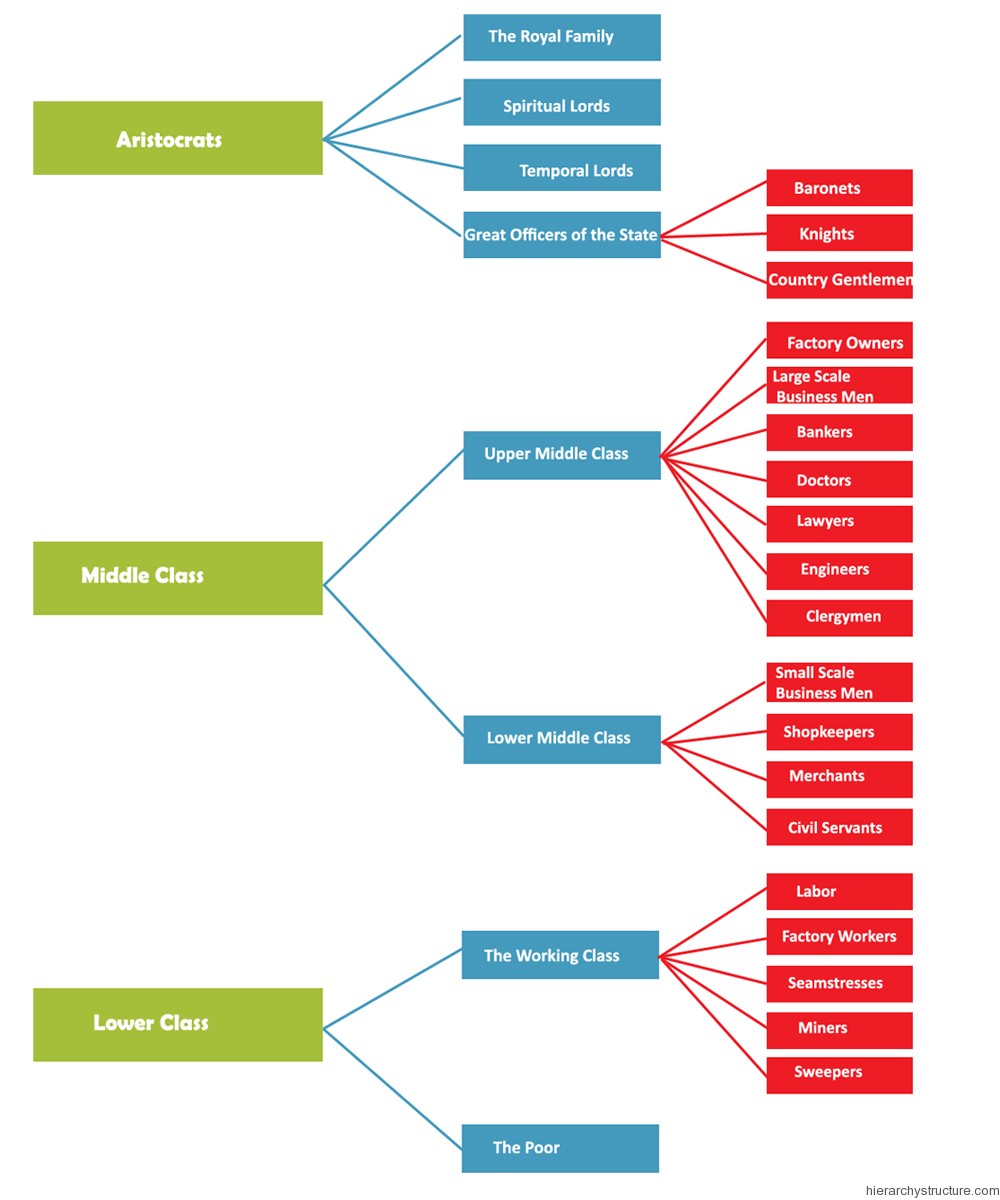
These two classes probably have the broadest spectrum of incomes because these two classes have the broadest range of occupations. Most of the middle class occupations involve little to no manual labor and provide a yearly income of anywhere from a banker's earnings 1,000 pounds or more per year to a small shop keeper making 50 pounds or less per years. (info based on http://www.census-helper.co.uk/victorian-life/). Doctors, Clergymen, Bankers, and Factory Owners were just a few of the upper middle class careers and then shop keepers, merchants, and others such people comprised the lower middle class. For today though we'll mostly be focusing on the lower middle class since my friend William Oliver is an an owner of a small clothing shop in the center of London and since we have just arrived at his estate I will let him tell you the rest...
Hello! My name is William Oliver and my wife and I own a small clothing store in the center of busy London. Since my wife is a seamstress we not only sell materials and supplies for making clothes but sell finished gowns and coats, while I am skilled with shoe making and can offer boots and leather hats at our store in addition to the raw materials. We have two young children, Thomas and Edward, and since we only have enough of an income to have one servant, my wife usually stays at home with our children while I tend to the store front in town. We make just enough to place us in the lower-middle class, but some years our store only makes enough to consider us in the working class. The home we live in currently was actually my childhood home that I inherited it from my father. However I am very pleased with it and it provides us with enough space to allow my mother to live with us and watch her two grandchildren grow up. A typical day for me involves starting my day around 5:00am. Betsy our made has already awoken and started the morning chores by then and I will go into town to begin setting up the store to open. When I return home at 8:00am, breakfast is usually ready and my wife, sons, and mother are up aswell. We usually enjoy breakfast together and even Betsy will join us even though she is a servant she is still apart of the family. After breakfast my wife gets to work finishing up dresses and gowns to put in our store front and since our boys are not old enough to go to school yet they stay home with her. I usually do a few administrative things in my office before I head back to the store to open shop at 10:00am. Most of our business is from Upper middle class and Rich folk, but we do have some working class people occasionally come into our store for a new pair of boots or some materials. Our store is open Monday through Saturday and Closed on Sundays so I may spend the day with my family. On some days when my wife needs a break from taking cares of the boys I will take them to the store with me. Other days I will stay home with the boys and my wife will go and tend to the store, but for the most part my customers will see me there. Most days I will close the store from 4:00pm till 5:00pm to go home and have tea with my family and see my sons one more time before they go to bed for the night. Then I return to the store until 8:00pm and close up shop for the night. My wife and I have a quiet supper together around 9:00pm and then go to bed shortly thereafter. On Sundays when the store is closed we will go to church in the mornings and then usually have a picnic lunch in the park with some of our friends until late afternoon. I would say our lives our busy but quiet and rarely eventful but I don't think I would change my class for any other if you ask me.
Hello! My name is William Oliver and my wife and I own a small clothing store in the center of busy London. Since my wife is a seamstress we not only sell materials and supplies for making clothes but sell finished gowns and coats, while I am skilled with shoe making and can offer boots and leather hats at our store in addition to the raw materials. We have two young children, Thomas and Edward, and since we only have enough of an income to have one servant, my wife usually stays at home with our children while I tend to the store front in town. We make just enough to place us in the lower-middle class, but some years our store only makes enough to consider us in the working class. The home we live in currently was actually my childhood home that I inherited it from my father. However I am very pleased with it and it provides us with enough space to allow my mother to live with us and watch her two grandchildren grow up. A typical day for me involves starting my day around 5:00am. Betsy our made has already awoken and started the morning chores by then and I will go into town to begin setting up the store to open. When I return home at 8:00am, breakfast is usually ready and my wife, sons, and mother are up aswell. We usually enjoy breakfast together and even Betsy will join us even though she is a servant she is still apart of the family. After breakfast my wife gets to work finishing up dresses and gowns to put in our store front and since our boys are not old enough to go to school yet they stay home with her. I usually do a few administrative things in my office before I head back to the store to open shop at 10:00am. Most of our business is from Upper middle class and Rich folk, but we do have some working class people occasionally come into our store for a new pair of boots or some materials. Our store is open Monday through Saturday and Closed on Sundays so I may spend the day with my family. On some days when my wife needs a break from taking cares of the boys I will take them to the store with me. Other days I will stay home with the boys and my wife will go and tend to the store, but for the most part my customers will see me there. Most days I will close the store from 4:00pm till 5:00pm to go home and have tea with my family and see my sons one more time before they go to bed for the night. Then I return to the store until 8:00pm and close up shop for the night. My wife and I have a quiet supper together around 9:00pm and then go to bed shortly thereafter. On Sundays when the store is closed we will go to church in the mornings and then usually have a picnic lunch in the park with some of our friends until late afternoon. I would say our lives our busy but quiet and rarely eventful but I don't think I would change my class for any other if you ask me.
This picture was taken from this link (http://www.jasna.org/info/bday-2011/id-dec.html)
Well! William's life is certainly different from Charlotte's, but I wouldn't say either one is a bad way of life. Now not every shop keeper is just like William so if you were curious about learning more info on shops in that era please check out this link! ( http://logicmgmt.com/1876/overview/victorian_shopping/shops.htm). I found it interesting that William said his shop, depending on how much it makes him per year, places his family in either the lower middle class to the upper working class. I find it very fascinating how that can play a part in where you are placed in the social hierarchy. I do however believe it is time to call it a day! Please journal tonight about which class, either Charlotte's or William's, you would prefer and why. I will look forward to hearing about what each of you have to say. Feel free to do more studying as well if you'd like before making a final decision too. Tomorrow we'll take a look at what a servants life looks like in both an aristocrats home and a small home like William's.
Your Friend and Loyal Guide,
Georgiana Pemberton
Well! William's life is certainly different from Charlotte's, but I wouldn't say either one is a bad way of life. Now not every shop keeper is just like William so if you were curious about learning more info on shops in that era please check out this link! ( http://logicmgmt.com/1876/overview/victorian_shopping/shops.htm). I found it interesting that William said his shop, depending on how much it makes him per year, places his family in either the lower middle class to the upper working class. I find it very fascinating how that can play a part in where you are placed in the social hierarchy. I do however believe it is time to call it a day! Please journal tonight about which class, either Charlotte's or William's, you would prefer and why. I will look forward to hearing about what each of you have to say. Feel free to do more studying as well if you'd like before making a final decision too. Tomorrow we'll take a look at what a servants life looks like in both an aristocrats home and a small home like William's.
Your Friend and Loyal Guide,
Georgiana Pemberton